

No Frost Fridge Freezers
Freezers with no frost do away with the need to manually defrost and defrost, thereby saving time and effort. They also maintain optimal temperatures by evenly dispersing cold air throughout the freezer and refrigerator compartments.
This helps avoid the fluctuations in temperature that can damage perishable foods and reduce their quality. This is why No Frost fridge freezers are an attractive option for modern households.
Reduced accumulation of ice
You can cut down on time by having an frost-free freezer. Manual defrosting in traditional fridge freezers can be time-consuming and can result in temperature fluctuations, which can affect the quality of food items. Refrigerators that do not have frost feature fans which circulate cold air evenly throughout the freezer compartments to prevent frost and ice buildup without the necessity of manual defrosting.
Refrigerator freezers that have No Frost technology maintain optimal humidity levels and prevent icy accumulation that preserves the taste and freshness of stored foods for longer time periods. This reduces food waste as well as the risk of freezer burn that can cause food to spoil and alter its texture appearance, taste, and even appearance.
No Frost freezers also feature innovative storage options, such as adjustable shelves and door bins to facilitate the organization and accessibility of food items. This helps you save time by eliminating the need to sift through ice that is frozen and messy to find your favorite ice cream.
The buildup of ice in the freezer can have a number of causes. Certain causes are temporary or one-off, like climate changes. Some are more long-lasting, like faulty fridge seals. Regular maintenance and troubleshooting will assist you in resolving these issues swiftly and effectively. This will prevent the accumulation of ice in your freezer and ensure it functions at its best. It's simple and efficient to keep your freezer free of ice by regularly cleaning out the fridge and freezer and examining the temperature with a thermometer. The ideal temperature for your freezer should be between -18 and 35 degrees Celsius It's best to do this every month.
Less frequent defrosting
Refrigerators that require manual defrosting often have ice build-up on their evaporator coils which results in a loss of efficiency because the heat is being removed less effectively. The ice decreases the surface that heat can be extracted. In a No Frost fridge the ice doesn't form on the evaporator and heat is extracted more easily.
This results in a better energy rating, which reduces the cost of electricity and makes your fridge or freezer more eco-friendly. Additionally, the constant circulation of cold air stops the accumulation of moisture and keeps your foods fresher longer, and preserves their freshness.
To avoid the inconvenience and frustration of defrosting, some freezers come with an auto defrost function that warms up the evaporator coils, which melts any ice build-up on them. This is a great option for people who need to defrost often but prefer not to manually do it themselves.
Frost Free refrigerators also have an air-flow system that circulates cool air, preventing accumulation of moisture and keeping your food fresher for longer. This is a significant improvement over auto defrost, and the latest in refrigeration technology. LG's Fridge Freezer with Total No Frost technology eliminates the need to manually defrost making sure that your frozen foods stay safe and fresh and without sacrificing space or capacity.
You can prevent ice buildup in your freezer, regardless of whether it is auto-defrost or frost-free. For instance you can place silica-filled packs in your freezer, and wipe down and empty shelves that are removable. Avoid overfilling the freezer as this can interfere with airflow.
Improved energy efficiency
The accumulation of ice in a refrigerator can make it harder to cool the food. This can lead to the fridge overheating and damaging the compressor. It also increases your electric bill due to the increased energy consumption. This issue can be prevented by using freezers that are frost-free. You'll conserve money and the quality of food.
No Frost refrigerators circulate cool dry air around the freezer to maintain the temperature at a constant level and to prevent the accumulation of moisture. This decreases the likelihood of food odors transferring between them. No frost models require little more power than defrost models.
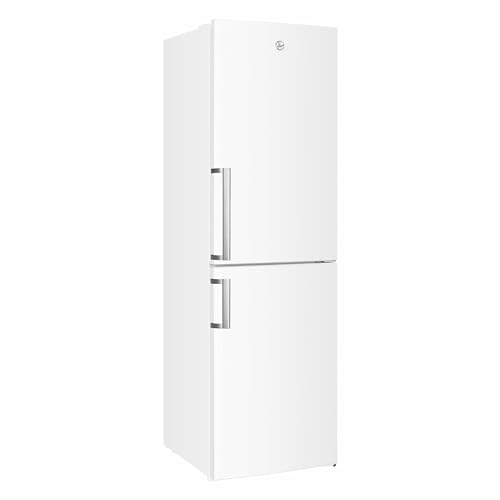
Refrigerator freezers that aren't frozen the best choice if you want to keep your food fresh and easy. Total No Frost Technology from LG allows air to circulate freely through the freezer. This helps prevent ice build-up and lets you enjoy your favorite foods for longer.
How does it work? Total No Frost is unlike other refrigeration systems such as Static, Fan Static, and Frost Free. It does not require manual defrosting. It uses sensors for temperature and a heating element to avoid the accumulation of ice. If you ever notice the formation of ice up, just unplug your freezer and put a bowl of water on the shelf. The ice will melt after several hours, removing the need for manual defrosting. Our range of fridges that include our no-frost refrigerator freezers, comes in a variety of styles, colours, and sizes. Find the ideal model for your kitchen.
Food quality preservation
In addition to reducing the amount of time you spend defrosting your freezer, a frost-free fridge also helps preserve the quality of the food you store in it. frost free fridge freezer small without ice circulates dry, cold air to prevent moisture forming. This keeps your food fresher longer.
This is especially beneficial for delicate food items, like poultry or fish. The constant circulation of cold air ensures that food is frozen evenly, preventing formation of cold spots where food is colder or warmter than the rest.
The ice-free refrigerator also works more efficiently and increases its energy efficiency. This is because a refrigerator must work harder to heat up and defrost the evaporator coils, which requires lots of energy. The ice-free refrigerator does not have to do this, which dramatically reduces its energy consumption.
A frost-free refrigerator can also increase efficiency by preventing the accumulation of frost on temperature sensors as well as vents. This can result in freezer burn. This can have an effect on the storage of food and drinks, and could lead to a loss of flavor.
Although this is not the case in a freezer with no frost, the freezer still requires maintenance. It is recommended to clean your frost-free fridge freezer frequently. Take all shelves off and clean the interior using warm water or a solution made of 1 tablespoon baking soda.
The most recent models of frost-free freezers come with an auto defrost function that melts any ice that has formed on the coils that make up the evaporator. This makes the freezer much simpler to maintain and could help you save time and money by not having to do the manual process of defrosting.
Convenience is improved
No Frost models eliminate the requirement to manually defrost the freezer by using cooling systems that evenly distributes cold air throughout the refrigerator and freezer compartments. This ensures the same cooling performance and ensures food stays at the ideal temperature without the accumulation of frost or ice. This helps reduce the risk of food waste and ensures that you can enjoy the full capacity of your freezer and refrigerator.
No Frost freezers also use defrost functions that periodically melts any ice that has been accumulating on the evaporator coils. This removes the need to manually scrape the ice, which saves your time and effort. This prevents frost and ice from accumulating over time, improving convenience.
Some people are concerned that auto defrost may increase the cost of energy, but modern models have been designed with efficiency in mind. They have an intelligent heating element that only defrosts when it is needed and reduces the impact on your electric bill.
A no-frost freezer is more efficient than traditional appliances, with a better energy rating. They typically have more insulation and a compressor that is thermally efficient, which can help to reduce the amount of energy they use. This lower power consumption leads to lower emissions and lower operating costs.
The freezers that do not have frost provide more convenience than traditional models. They are more efficient need less maintenance and reduce operating expenses. They often feature innovative storage solutions and adjustable compartments that let users optimize space and enhance accessibility. These units also feature LED lighting and transparent shelving which make it easier to see the items stored and find them without having to dig through frosty surfaces. Additionally, they have an array of temperature sensors and adaptive defrost systems that help to avoid unnecessary cooling cycles and help keep your food fresher for longer.